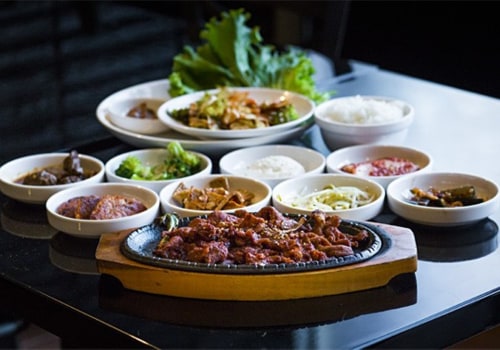
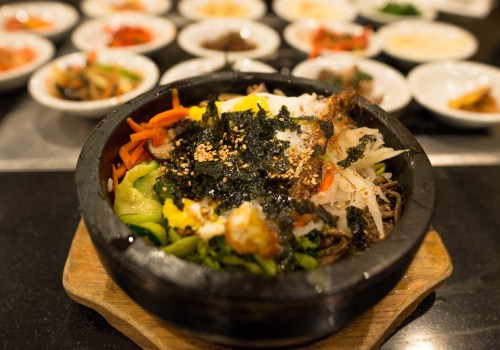
Korean restaurants in Denver, Colorado rely heavily on consistency, quality, timing, and trust to deliver the flavors and dining experiences customers expect. While diners may focus on the taste of kimchi, bulgogi, bibimbap, Korean barbecue, stews, banchan, and house-made sauces, much of a restaurant’s success depends on what happens behind the scenes with vendors. Vendor agreements are rarely discussed as part of restaurant growth, but they can directly affect food quality, menu availability, pricing, and daily operations. A Korean restaurant may depend on suppliers for specialty ingredients such as gochujang, doenjang, rice cakes, seaweed, sesame oil, fresh produce, meats, seafood, soju-related supplies, packaging, cleaning products, and kitchen equipment. Without strong written agreements, a restaurant may face inconsistent deliveries, sudden price changes, substitute products, quality problems, or unclear responsibility when something goes wrong.
Managing Cost, Quality, and Supply Chain Risk
Vendor agreements help restaurant owners define expectations before problems occur. These agreements can outline delivery schedules, payment terms, product standards, minimum order quantities, replacement policies, refund procedures, food safety requirements, and what happens if a supplier fails to deliver on time. For Korean restaurants, ingredient authenticity and freshness can be especially important because small changes in sauces, fermented products, cuts of meat, or side dish ingredients may affect the entire dining experience. If a vendor provides lower-quality ingredients or misses a key delivery before a busy weekend, the restaurant may lose revenue, disappoint customers, or be forced to adjust the menu unexpectedly. Clear vendor terms help owners protect both their kitchen operations and their brand reputation.
Legal Clarity Supports Restaurant Stability
Strong vendor agreements also help reduce disputes. A restaurant owner may assume that a supplier will replace spoiled products, honor agreed pricing, or deliver within a specific time window, but assumptions are difficult to enforce without written terms. Legal guidance can help restaurants review vendor contracts and identify unclear language, hidden fees, automatic renewal clauses, cancellation penalties, liability limits, and insurance requirements. This is especially helpful for restaurants working with multiple vendors across food distribution, beverage supply, laundry, maintenance, technology, delivery services, and waste management. While vendor agreements are different from injury-related legal matters, firms such as Jordan Law Accident & Injury Lawyers reflect why understanding responsibility and legal rights matters whenever businesses rely on outside parties and public-facing operations.
Supporting Growth and Customer Trust
Vendor agreements also become more valuable as Korean restaurants expand. A single-location restaurant may eventually add catering, delivery, private events, packaged sauces, frozen meals, or a second location. Each growth opportunity increases the need for dependable suppliers and clearly defined responsibilities. Written agreements allow owners to plan inventory, forecast costs, maintain food standards, and avoid disruptions that could affect customer trust. They also help restaurants respond more confidently when supply chain issues arise, because the business already has a process for communication, replacement, credits, or dispute resolution.
Strengthening Long-Term Success
Ultimately, vendor agreements are not just administrative documents; they are essential tools for protecting restaurant operations. Korean restaurants in Denver, Colorado can use strong vendor agreements to preserve food quality, control costs, reduce uncertainty, and support consistent service. When owners take the time to clarify expectations with suppliers, they protect the customer experience that makes their restaurant memorable. In a competitive dining market, legal clarity behind the scenes can be just as important as creativity in the kitchen.